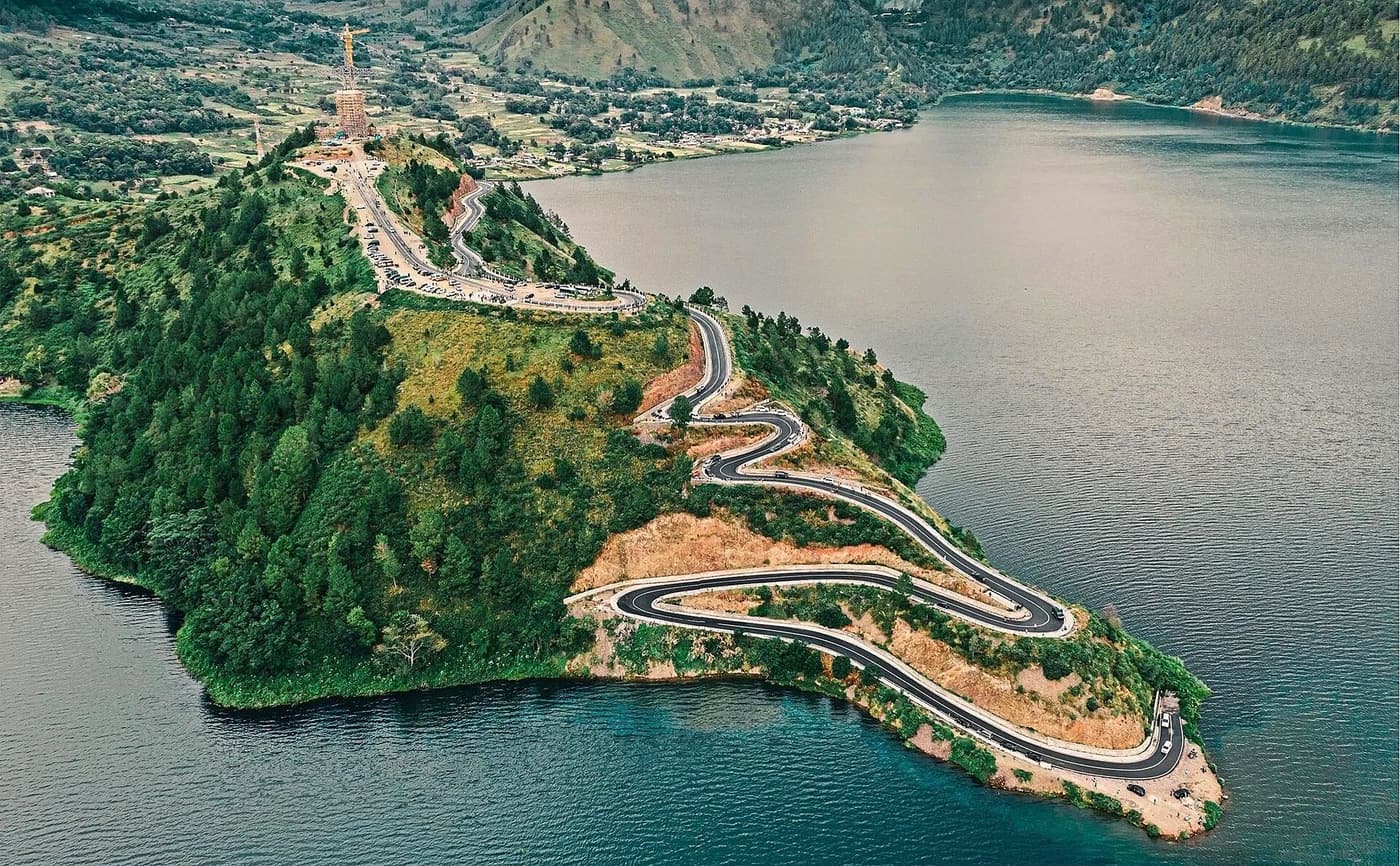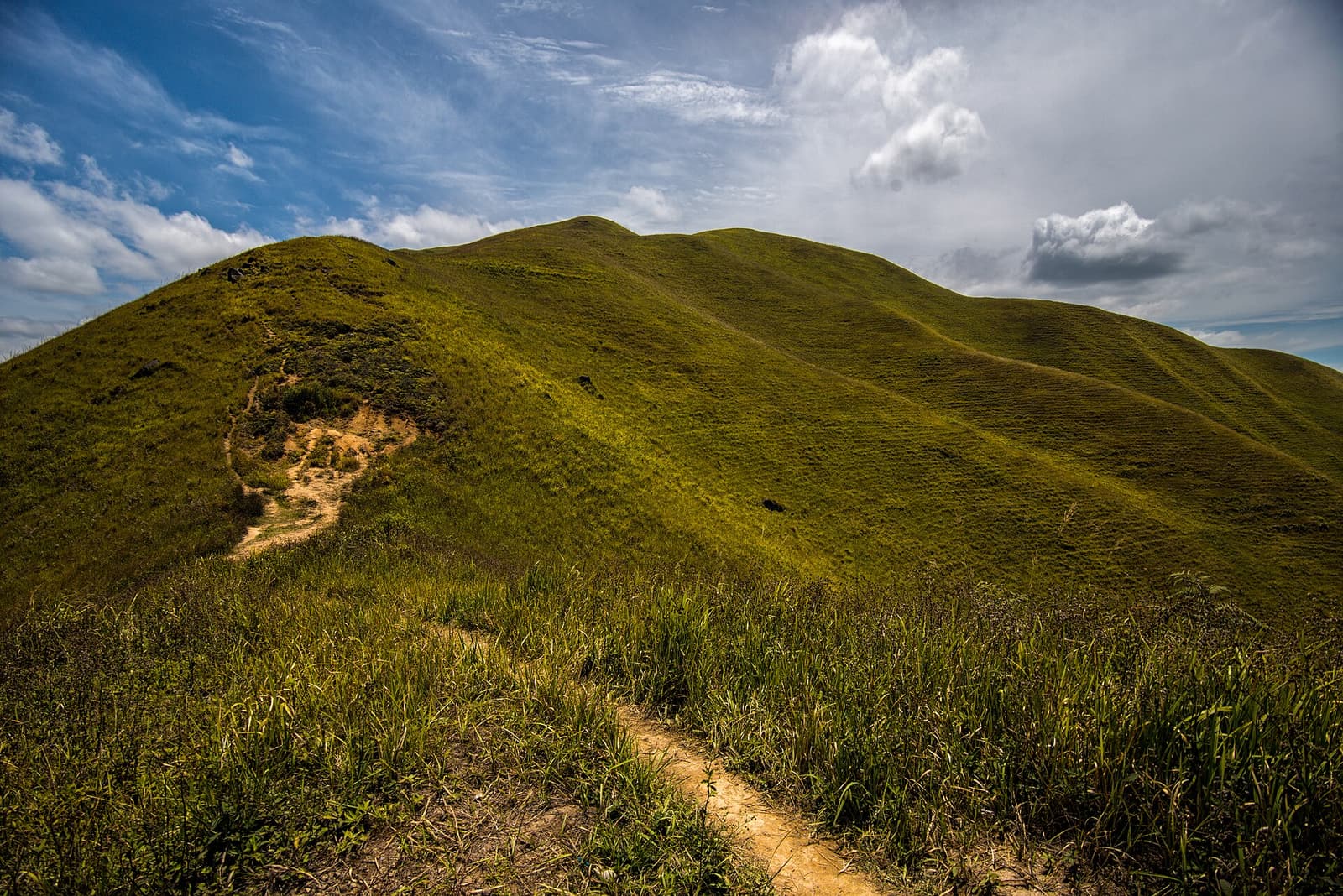
Lake Toba lies almost on the equator at around 900 metres, so the temperature hardly changes through the year: warm days in the mid-twenties Celsius, cool evenings in the high teens. What does change is the rain — and the number of Indonesian holidaymakers.
The short answer
For the most reliable weather, come between May and September, with June to August usually the driest stretch. February is often a bright, quiet month too. The wettest period normally runs from October to December. Rain here mostly means a heavy afternoon or evening shower after a clear morning rather than days of drizzle, so even the wet months are perfectly workable if you start early.
Month by month
Weather on a lake this large is local and changeable; take the table as a guide to tendencies, not a forecast.
| Months | Weather | Crowds | Verdict |
|---|---|---|---|
| January – February | Rain easing; February often dry and clear | Busy around New Year and Chinese New Year, then quiet | Good, especially February |
| March – April | A second, lighter rainy spell; green hills | Quiet, except Easter and Lebaran when they fall here | Fine with flexible plans |
| May – June | Drier, bright mornings | Moderate; school holidays begin in late June | Very good |
| July – August | Usually the driest months | European high season and Indonesian school holidays | Best weather; book ahead |
| September | Still mostly dry; showers return late | Quiet | Excellent balance |
| October – December | Wettest period; heavy afternoon rain | Quiet until the Christmas–New Year peak | Cheapest and greenest; start early |
Indonesian holidays: the real high season
Foreign visitors are a small minority at Lake Toba. Prices and crowds are driven by domestic travel, above all from Medan:
- Christmas and New Year: the biggest peak of all in this Christian region. Families return home from across Indonesia, ferries queue for hours and Tuk Tuk fills up. Book weeks ahead and expect holiday prices.
- Lebaran (Idul Fitri): a week or more of nationwide holidays at the end of Ramadan; the date moves about eleven days earlier each year. Roads from Medan are very busy.
- School holidays: late June to mid-July, and again in the second half of December.
- Long weekends and Chinese New Year: Medan’s large Chinese-Indonesian community heads for the lake; Parapat and Berastagi are especially crowded.
Outside these periods, even July and August feel relaxed, and on a weekday in September or February you may have a viewpoint to yourself.
Festivals and events
Cultural festivals, regattas and sporting events — including international powerboat racing at Balige in recent years — are staged around the lake, but dates and venues change from year to year. If one coincides with your visit, expect lively evenings and fuller hotels; check current listings before you fix your plans around it.
Time of day matters more than time of year
- Mornings bring the clearest air and the calmest water. Schedule viewpoints — Sipiso-piso, Tele, Bukit Holbung — and long scooter rides before lunch.
- Afternoons often cloud over on the rim, and wind raises a chop on the lake. A good time for a museum, a long lunch or a nap.
- Evenings are cool and frequently clear after rain, with fine sunsets from the west-facing shore and from boats.
Days of the week
Saturday is market day in Parapat and the busiest day for arrivals; Sunday morning the island goes to church and little else happens until noon. Vehicle ferries are busiest on Saturday mornings towards Samosir and Sunday afternoons back to the mainland. If you can, arrive and leave midweek.
Booking tips
- For Christmas–New Year, Lebaran and July–August, reserve rooms and multi-day tours several weeks ahead.
- At other times a few days’ notice is plenty, and walk-in rates in Tuk Tuk are negotiable.
- In the wet months, leave a spare day in your plans in case a viewpoint is clouded in.
- Whatever the month, do not book a flight out of Medan for the same morning you leave the island.