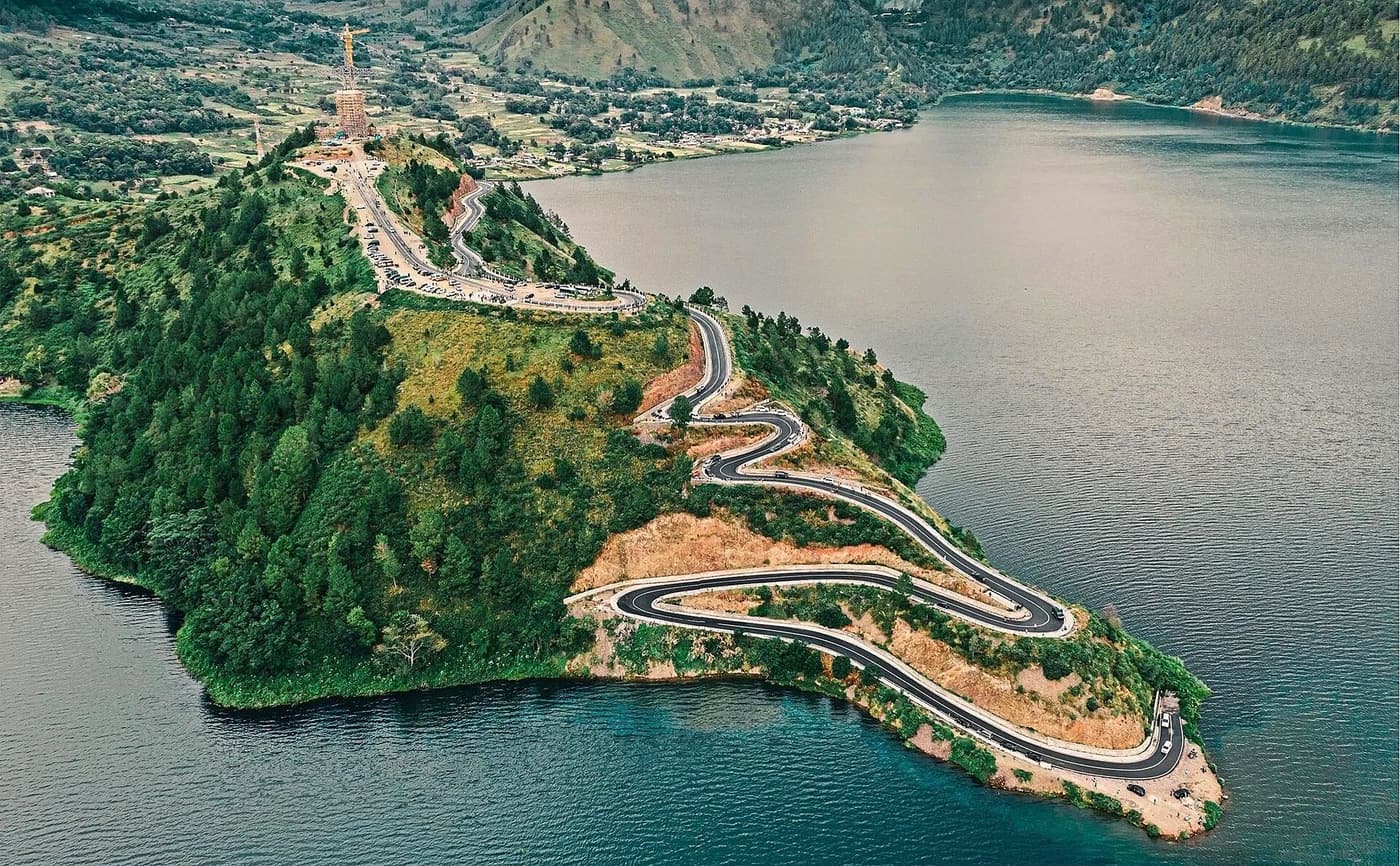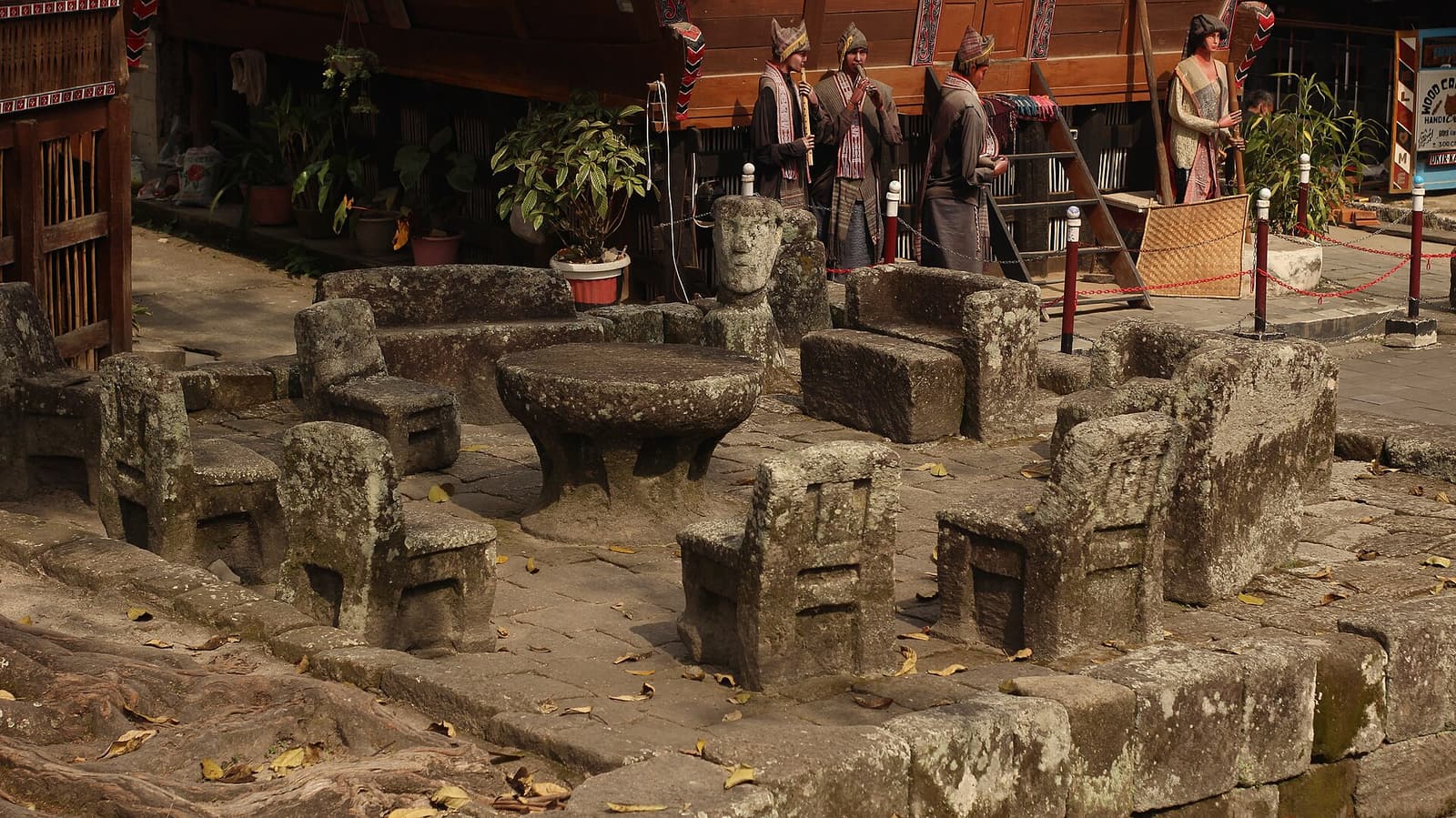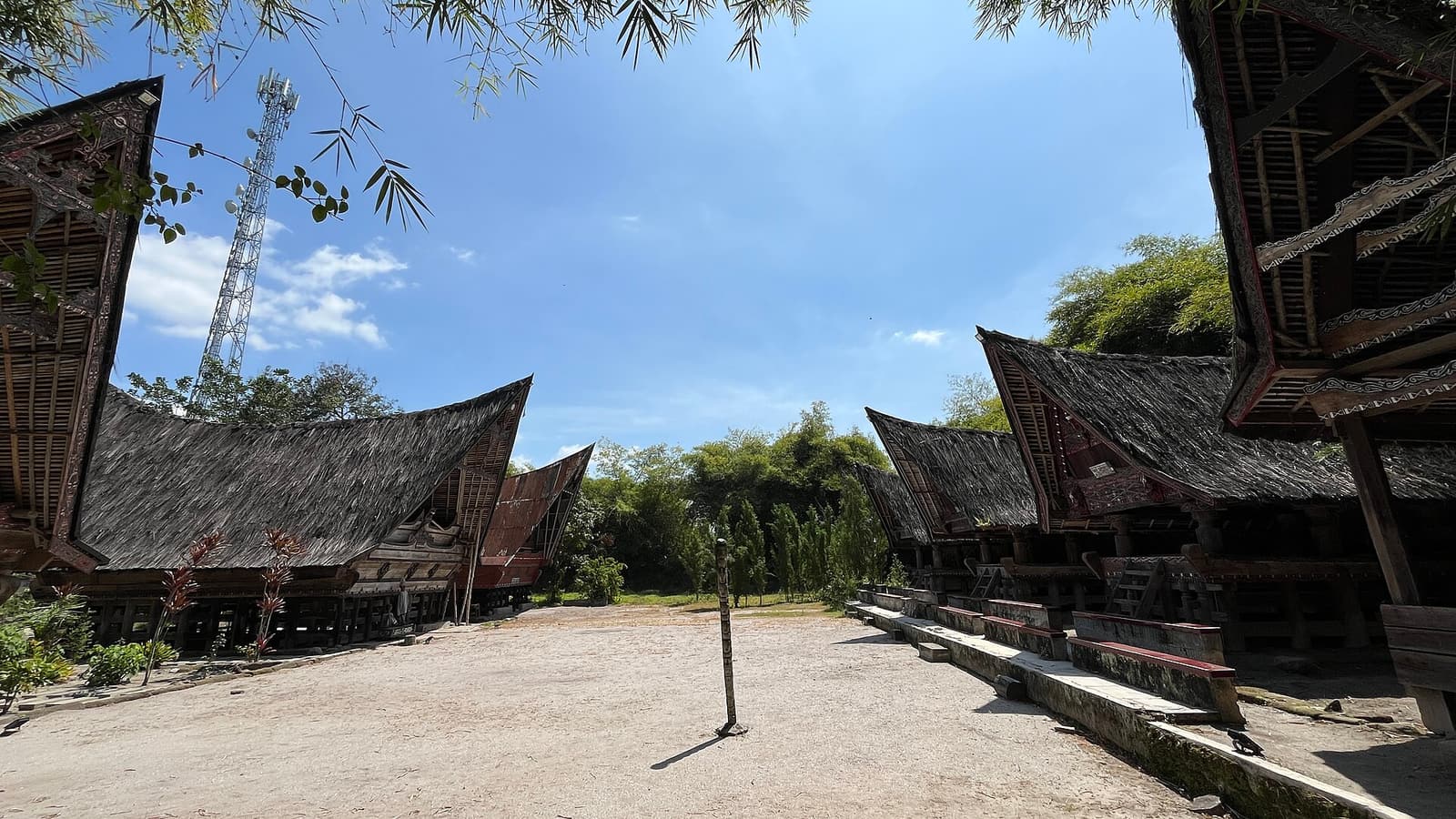
Simanindo sits at the northern tip of Samosir, roughly twenty kilometres from Tuk Tuk along the coast. Its Huta Bolon Museum occupies the former compound of Raja Sidauruk, a local ruler, and has been open to visitors since 1969. It is the best-preserved traditional village on the island.
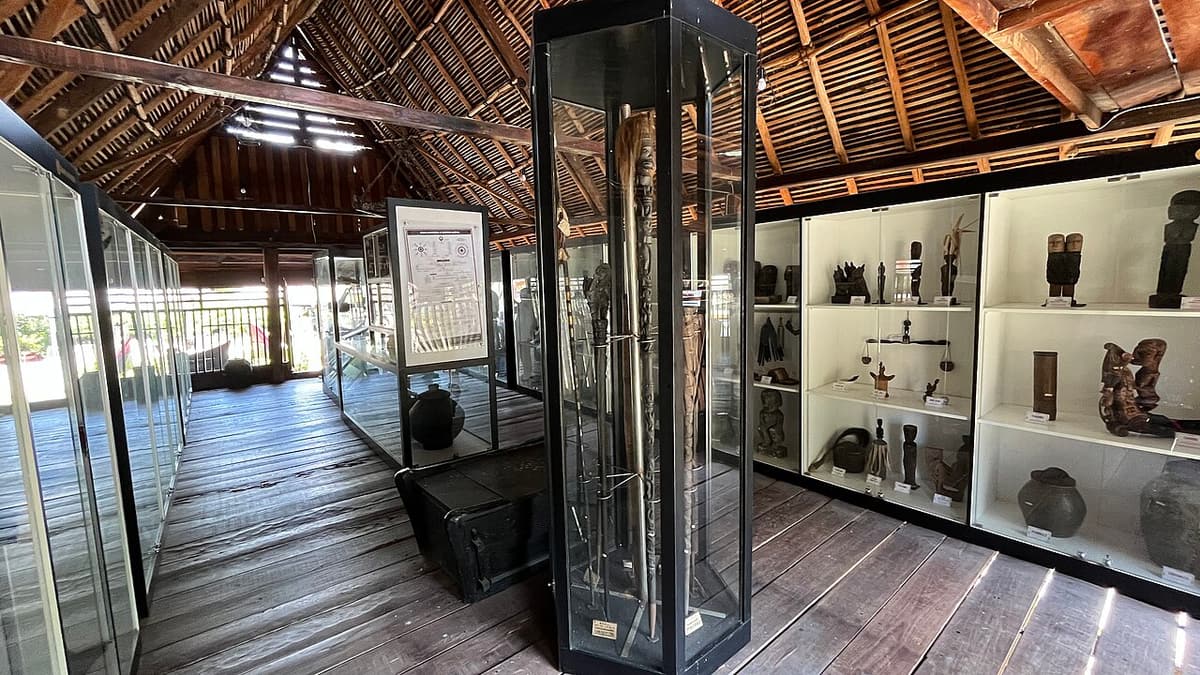
A line of big Batak houses — rumah bolon — faces a row of rice barns across a stone-paved yard, exactly as a chief’s village was laid out. The main house, decorated with carved and painted gables and once hung with buffalo horns marking the generations of the family, holds a collection of household utensils, weapons, ritual staffs, wood carvings and textiles. A royal boat, long enough for dozens of paddlers, rests under its own roof nearby.
Top things to do at Simanindo & Huta Bolon Museum
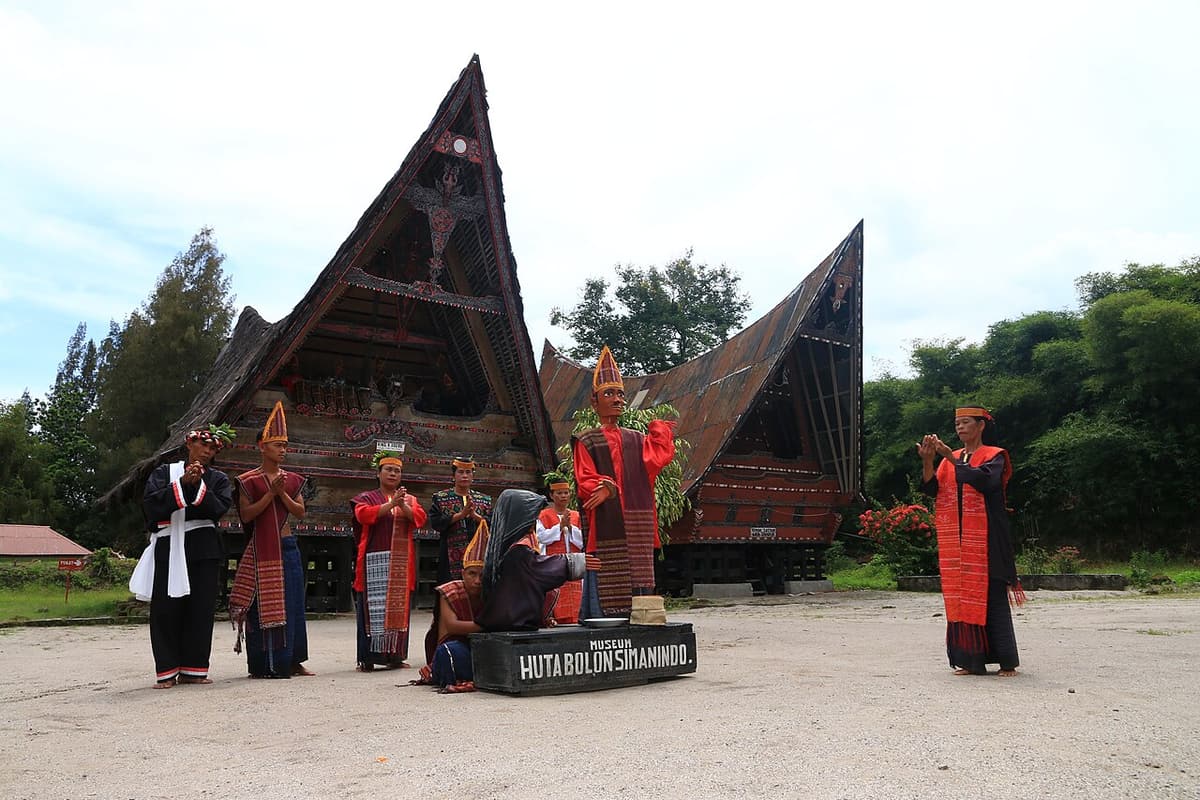
See the morning dance performance
Traditional dances are staged in the village yard, usually mid-morning from Monday to Saturday and a little later on Sundays. The programme runs through a series of tor-tor dances originally linked to ritual occasions and ends with the Sigale-gale puppet. Performances may be dropped when there are very few visitors, so ask your guesthouse to check the day before.
Tour the museum house
Inside the main house, look for the carved singa heads on the façade, the magic staffs of the datu (priest-healers) and the bark-book calendars used to choose auspicious days. Labels are brief; a guide is worth the small extra cost.
Read the carvings
The gables are covered in gorga: scrolling ornament in red, white and black with lizards, breasts and monster faces, each with a protective meaning. Simanindo is the best place on Samosir to photograph it at close range.
Continue around the top of the island
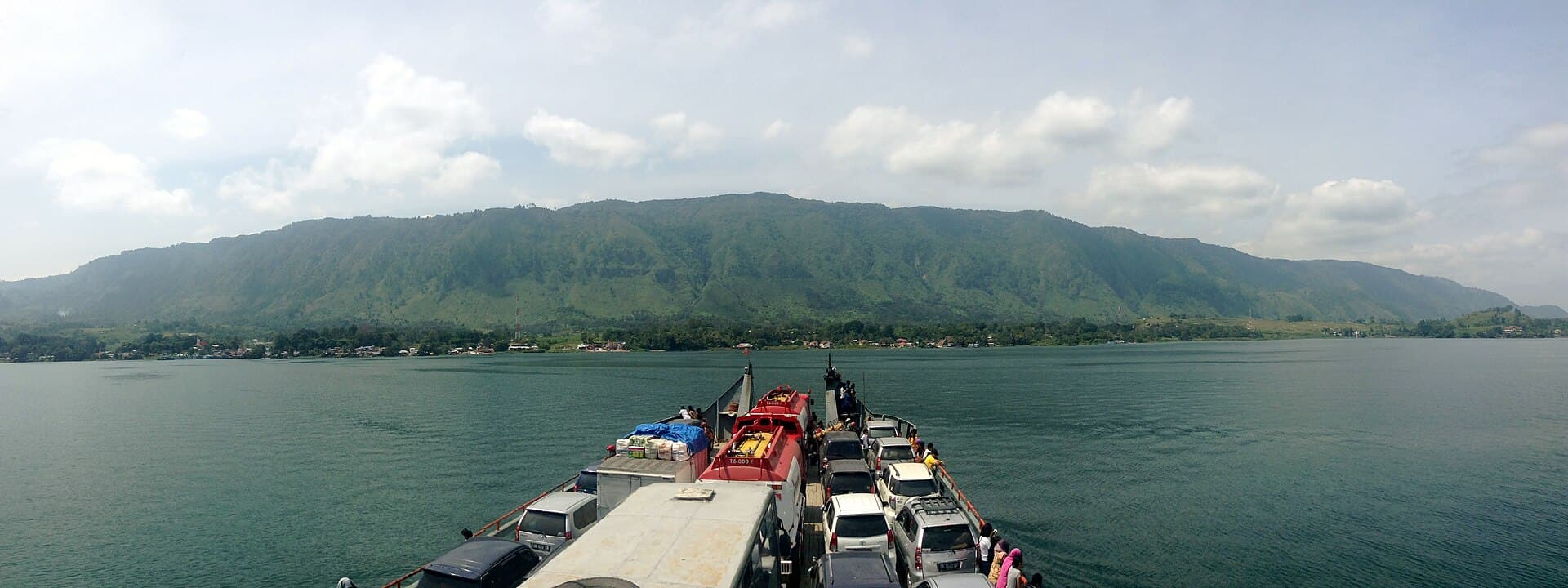
Beyond Simanindo the road swings west along the quieter north shore towards Parbaba beach and Pangururan. A small ferry also crosses from Simanindo to Tigaras on the mainland, a useful short cut towards Sipiso-piso and Berastagi.
How to get to Simanindo & Huta Bolon Museum
- From Tuk Tuk: 35–45 minutes by scooter or car along the east coast via Ambarita. The road is paved, with a few rough patches.
- By public transport: minibuses run along the coast road between Tomok and Pangururan and will drop you at the museum turning, but they are infrequent in the afternoon.
- On a tour: the longer multi-day Samosir packages generally include a stop here; day trips from Medan do not have time.
Insider tips
- Arrive half an hour before the dance to see the houses in peace and get a seat in the shade.
- There is an entrance fee, with a higher price when a performance is included. Bring cash.
- Fill up with fuel in Ambarita if you plan to continue to Pangururan.
- The museum is closed or very quiet on some public holidays — check locally around Christmas and New Year.
Best tours & tickets for Simanindo & Huta Bolon Museum
These experiences are the easiest way to see Simanindo & Huta Bolon Museum:
 Multi-day tour from €233
 3-Day Lake Toba with Samosir Island, Waterfall & Culture
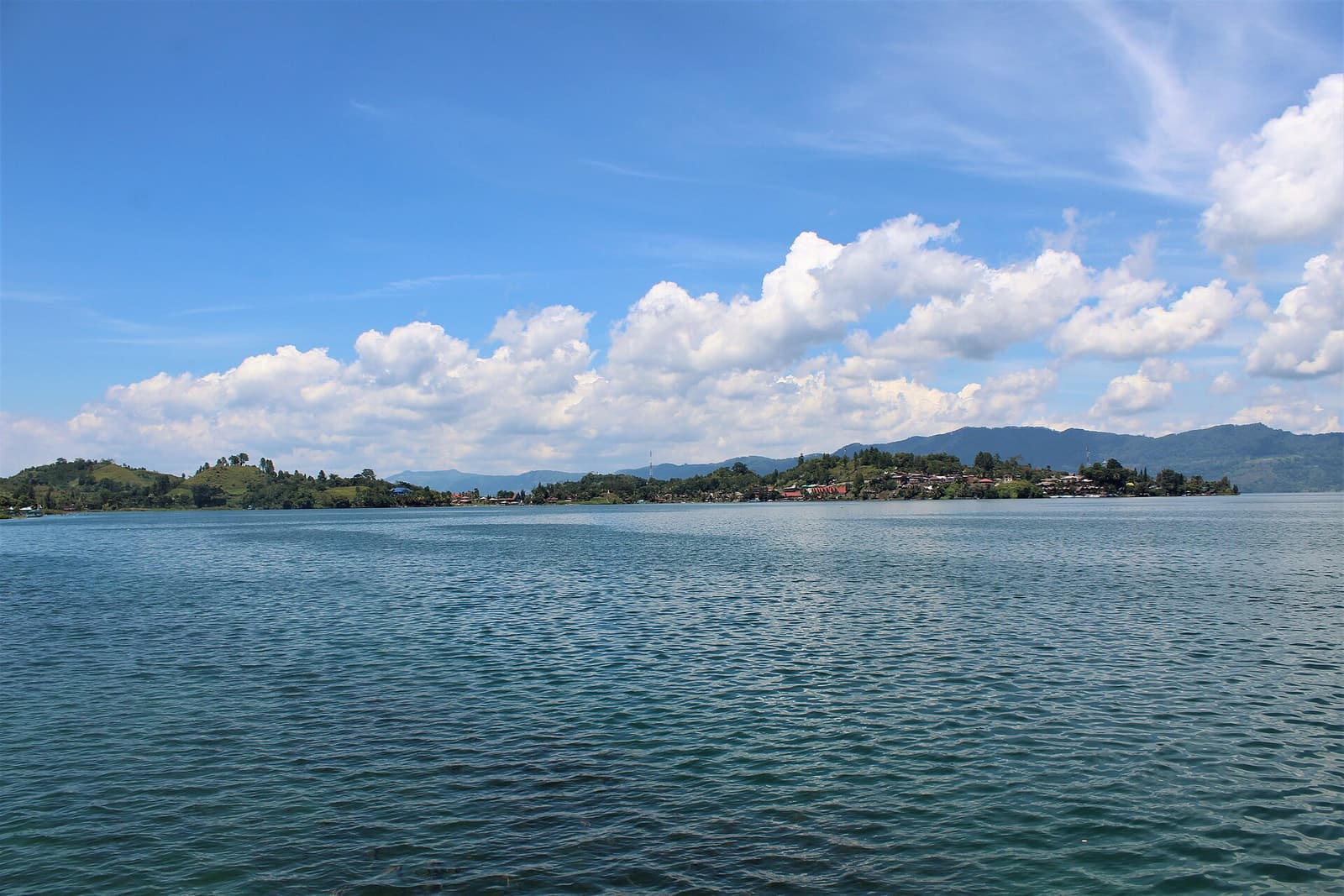
Three days from Medan to Lake Toba and Samosir Island, with Batak villages, a waterfall and unhurried time by the lake. Three days is the length we recommend for a first visit, because it gives you a full day on the island rather than a few hours.
- Three days from Medan to the lake and Samosir
- Traditional Batak villages
- Time to relax by the water
 Multi-day tour from €317
 Medan: 4 Days 3 Nights Lake Toba Tour Package Including Hotels
A four-day, three-night loop from Medan covering Parapat, Samosir and the Karo highland town of Berastagi, with hotels included in the price — the simplest way to see the classic North Sumatra circuit without booking each night yourself.
- Parapat, Samosir and Berastagi in one loop
- Hotels included
- Rated 4.7 by its first reviewers
 Multi-day tour from €449
 Medan: 4-Day Lake Toba, Samosir Island and Berastagi Tour
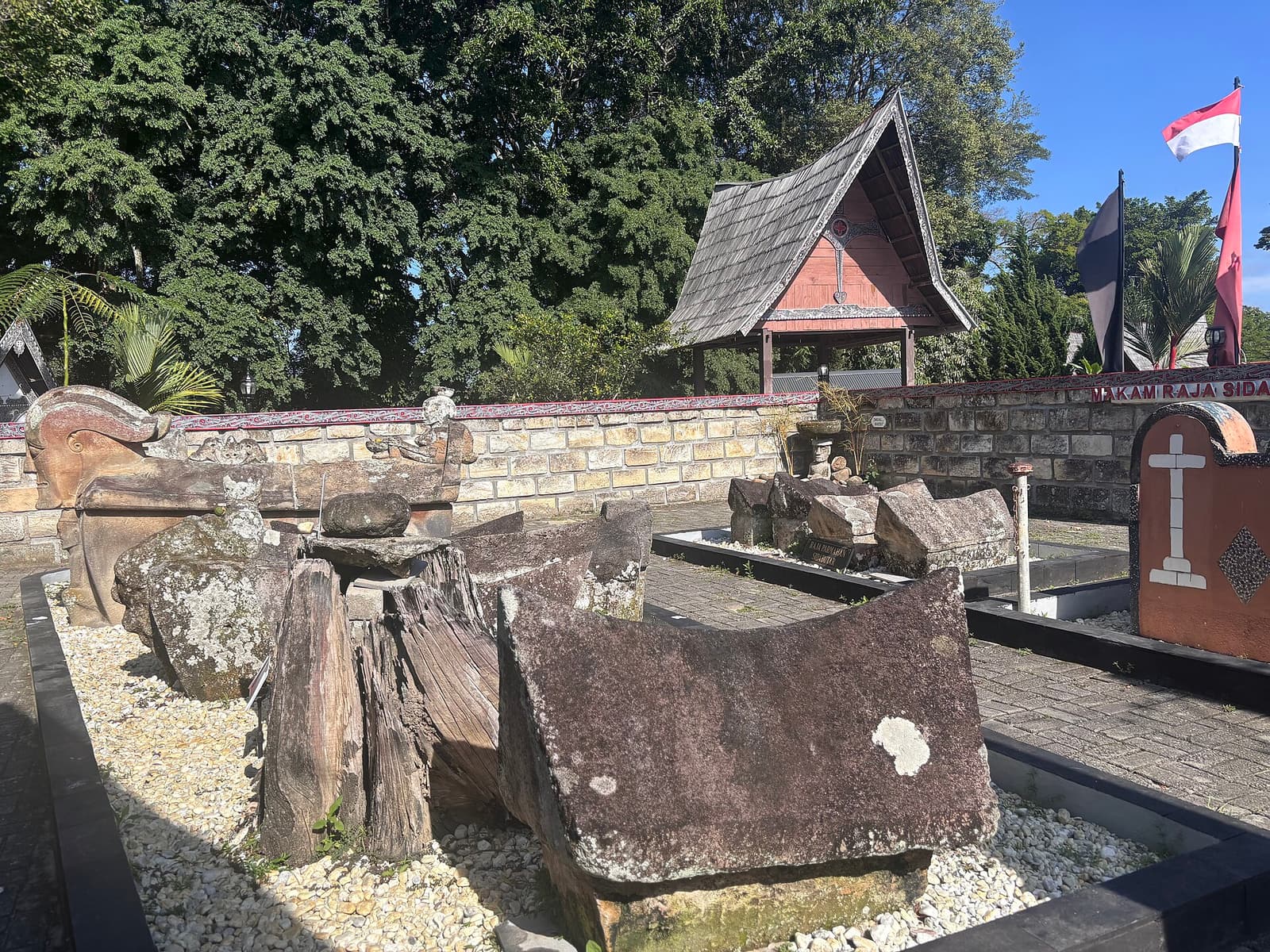
Four days through Medan, Lake Toba, Samosir Island and Berastagi, with the ancient tomb of King Sidabutar, Sipiso-piso waterfall and the fruit market in Berastagi among the stops. One review so far.
- The tomb of King Sidabutar in Tomok
- Sipiso-piso waterfall
- Berastagi’s fruit market