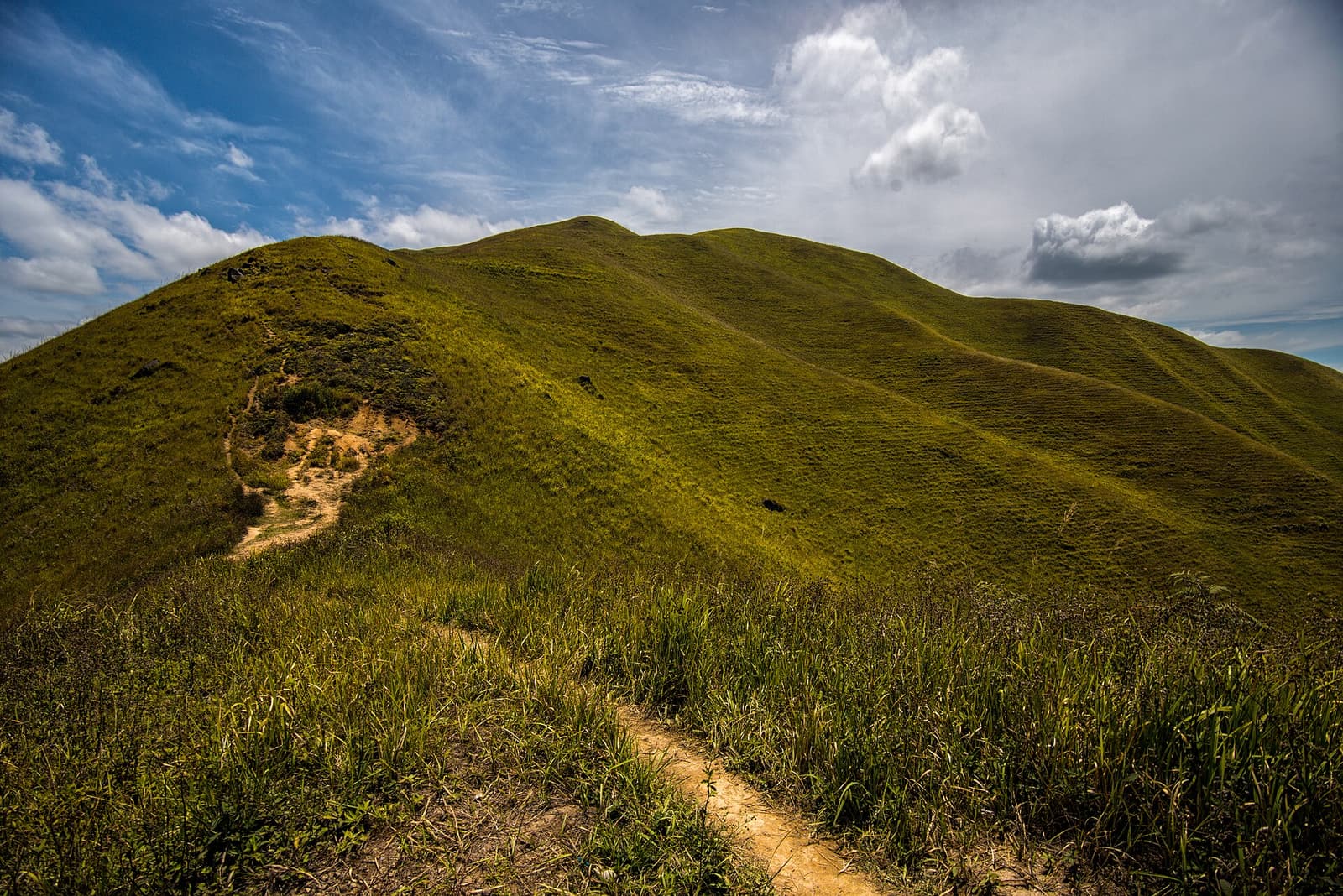
Bukit Holbung is a chain of smooth, grass-covered hills on the mainland shore of Lake Toba, in the Harian district south-west of Pangururan. From the top, the ridges roll away like green waves, the lake fills the middle distance and Samosir closes the horizon. It is the view that appears on most posters for Samosir Regency, and locals nickname it “Teletubbies Hill”.
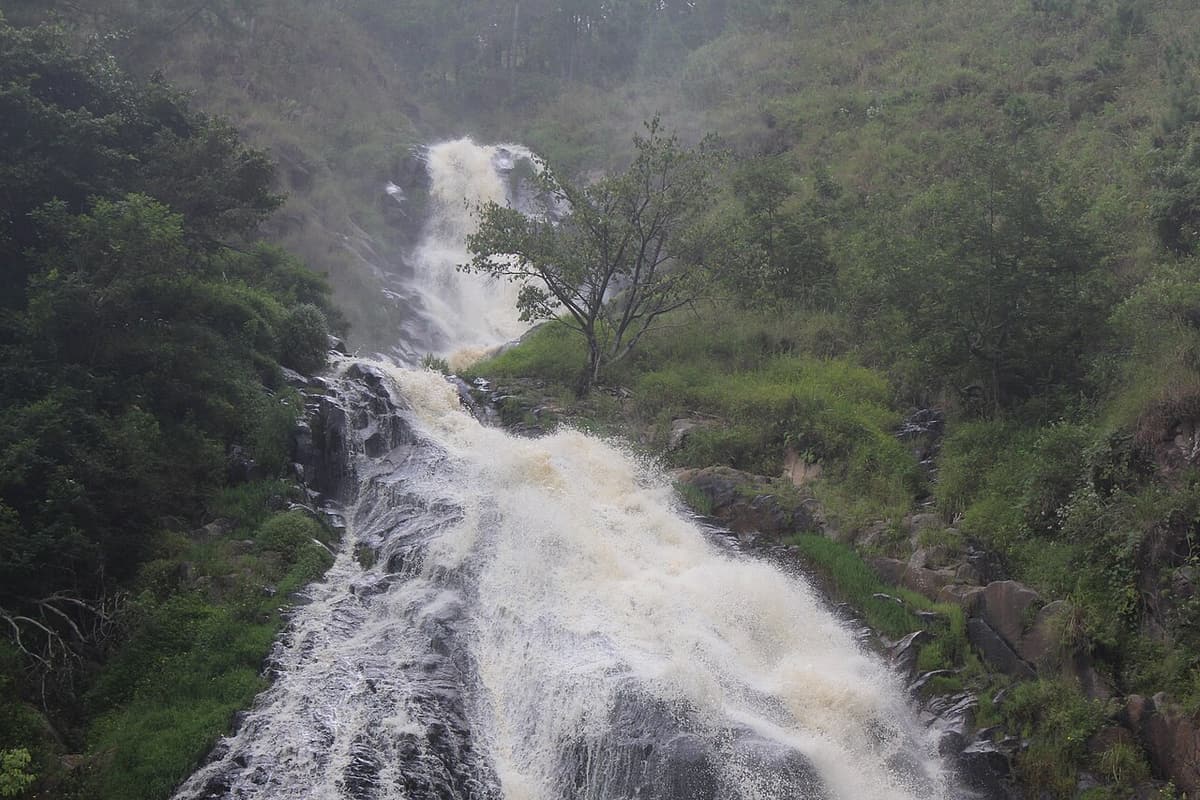
A short drive away, Efrata waterfall drops about twenty metres over a broad, dark rock face into a shallow pool surrounded by rice terraces. The two make a natural pair, and the lakeshore road between Pangururan and Holbung — passing the hilltop statue of Christ at Sibea-bea — is one of the finest drives around the lake.
Top things to do at Bukit Holbung & Efrata Waterfall
Climb Bukit Holbung
From the car park a clear path leads up the first hill in fifteen to twenty minutes; you can continue along the ridge over several more summits for as long as you like. There is no shade and no railing. Sunrise and the hour before sunset give the best colour, and many Indonesian visitors camp on the top.
Cool off at Efrata waterfall
A short path from the parking area leads to the foot of the falls. The flow is strongest in the wetter months; in the dry season it narrows but the pool is calmer. Rocks are slippery — wear sandals with grip.
Stop at Sibea-bea
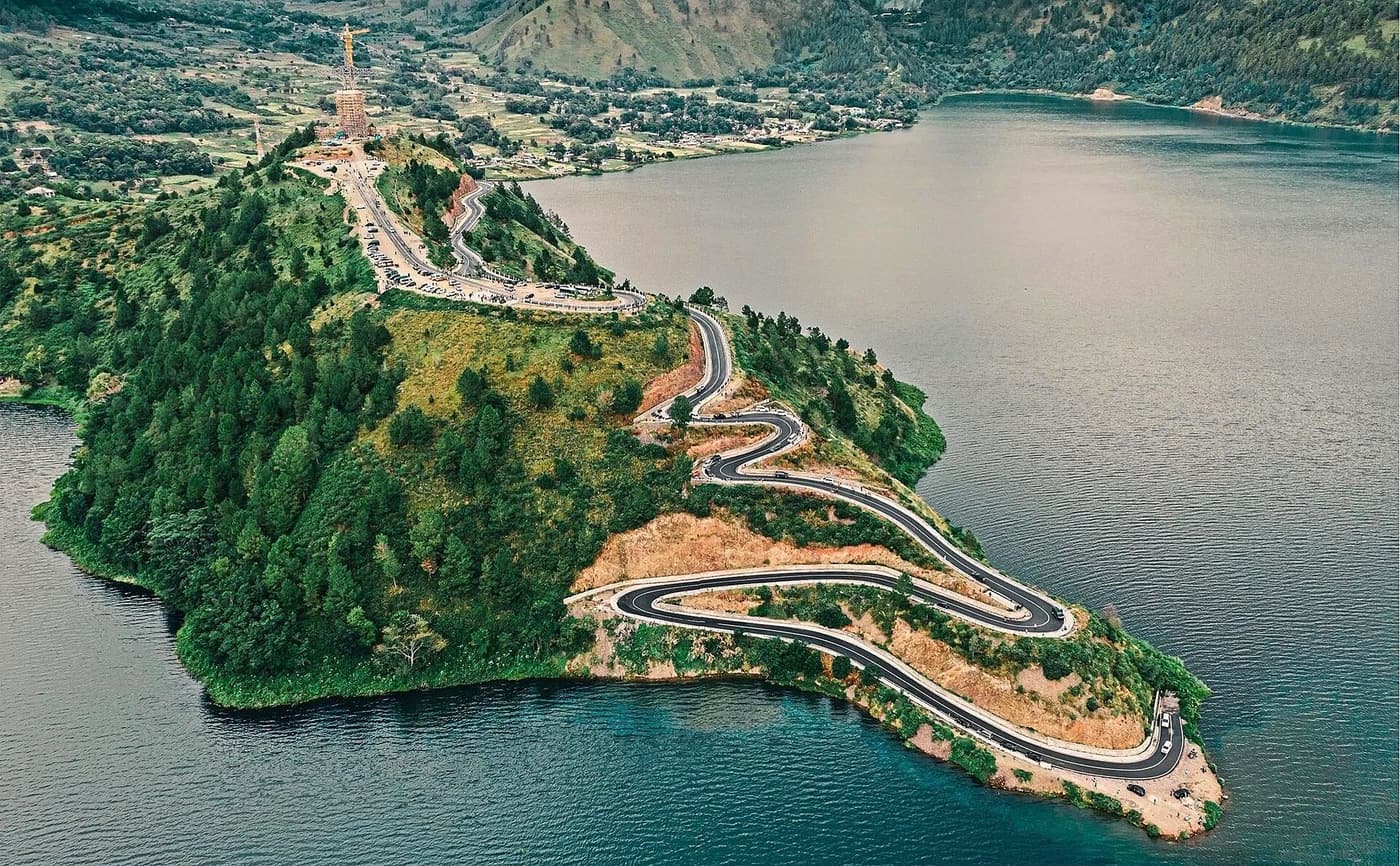
On a headland along the way stands a tall statue of Christ with outstretched arms, reached by a road of dramatic hairpin bends that has become a photo stop in itself. The terraces around it look straight across the water to Samosir.
Combine it with the hot springs
Holbung, Efrata and Sibea-bea fit comfortably into one day with a late-afternoon soak at the Aek Rangat hot springs on the way back.
How to get to Bukit Holbung & Efrata Waterfall
- From Pangururan: cross the bridge to the mainland and follow the lakeshore road south. Allow 45 minutes to an hour to Bukit Holbung; Efrata is about ten minutes further.
- From Tuk Tuk: two to two and a half hours each way by scooter or car, which makes this a long day trip. A night in Pangururan makes it far more relaxed.
- With a driver: guesthouses in Tuk Tuk can arrange a car and driver for the day — sensible if you are not confident on a scooter. Some multi-day tours from Medan also come this way.
Insider tips
- Small parking and entrance fees are collected at each stop; carry small notes.
- There is very little shade on the hills. Bring water, a hat and sunscreen even on a cloudy day.
- Mist often fills the caldera in the early morning and after rain. If the view is white, wait half an hour — it changes quickly.
- Food stalls at the car parks sell instant noodles, coffee and fried snacks; for a proper meal, eat in Pangururan.
Best tours & tickets for Bukit Holbung & Efrata Waterfall
These experiences are the easiest way to see Bukit Holbung & Efrata Waterfall:
 Multi-day tour from €259
 Samosir: Sianjur Mula Mula and Weaving Ulos Tour
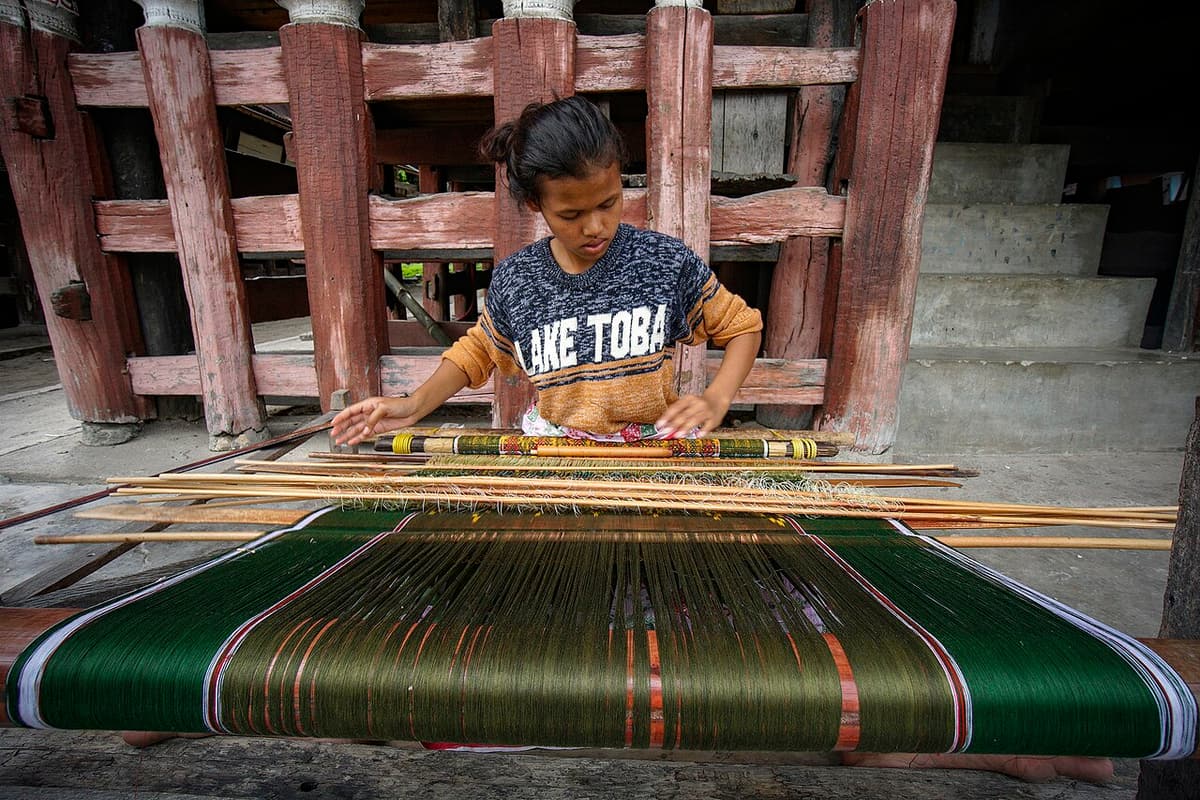
A three-day cultural trip to Sianjur Mula-mula — the valley Batak tradition names as the people’s place of origin — with traditional villages, ulos weaving, waterfalls, Samosir Island and Berastagi. No reviews yet.
- Sianjur Mula-mula at the foot of Pusuk Buhit
- See ulos cloth being woven
- Samosir, waterfalls and Berastagi
 Multi-day tour from €233
 3-Day Lake Toba with Samosir Island, Waterfall & Culture
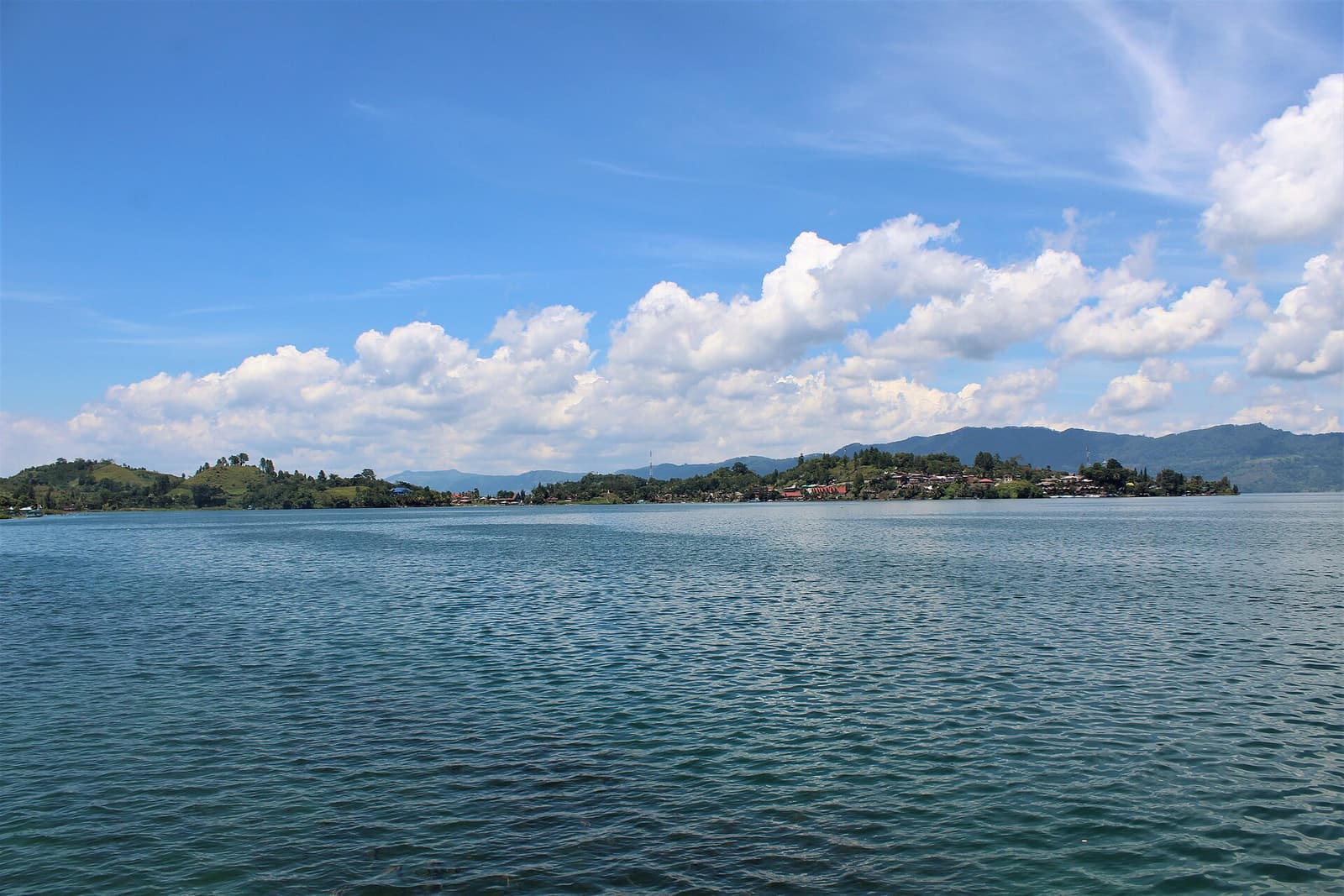
Three days from Medan to Lake Toba and Samosir Island, with Batak villages, a waterfall and unhurried time by the lake. Three days is the length we recommend for a first visit, because it gives you a full day on the island rather than a few hours.
- Three days from Medan to the lake and Samosir
- Traditional Batak villages
- Time to relax by the water
 Day trip from €104
 From Medan: Lake Toba 3 Waterfalls and Boat Ride Day Trip
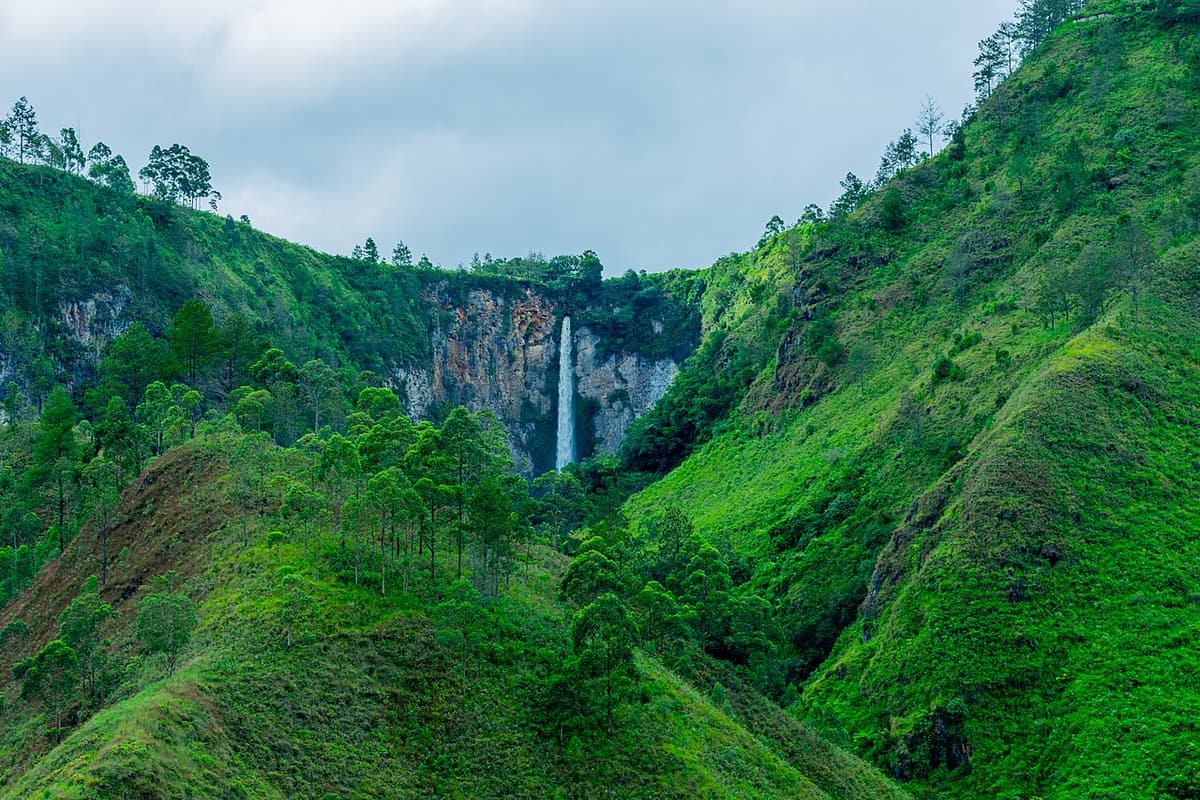
A waterfall-themed day from Medan: the well-known Sipiso-piso, Sikulikap in the Karo highlands and the lesser-known Sitiris Tiris, with a boat ride on Lake Toba. New on GetYourGuide and not yet reviewed.
- Sipiso-piso, Sikulikap and Sitiris Tiris waterfalls
- A boat ride on the lake
- A new listing with no reviews yet